


When the Lights Go Out ... but the System Says They’re On

Lessons from the December Power Outage Near OH-730

Residents near OH-730 by the Equestrian Center experienced a power outage during the evening of December 18, 2025, followed by another outage the morning of December 19. While the outage itself was disruptive, what followed highlighted an important lesson for anyone who experiences a loss of power — now or in the future.
What Happened:
During this event, utility systems showed conflicting information. An outage appeared on the public outage “board,” but internal system data indicated that power was still present at customer meters. Based on follow-up discussions, this mismatch may have been tied to the final outage on the morning of December 19, rather than the Thursday night outage — but the distinction is less important than the takeaway.
Automated systems do not always tell the full story.
Smart meters, outage dashboards, and automated alerts are helpful tools, but they can lag behind real-world conditions, miss localized problems, or lack the context needed to correctly diagnose what is happening at your home or business.
The Bottom Line...Always call and report your outage directly to your electric provider.
Do not assume the system already knows your power is out — even if neighbors are dark, even if the outage appears online, and even if your meter is “smart.” Customer reports remain one of the most reliable ways utilities confirm:
The true scope of an outage
Whether the issue is localized or widespread
If a system error is masking a real problem
Where crews should focus restoration efforts
Your call provides real-time confirmation that automated systems alone may not capture.
If You Rely on Medical Equipment:
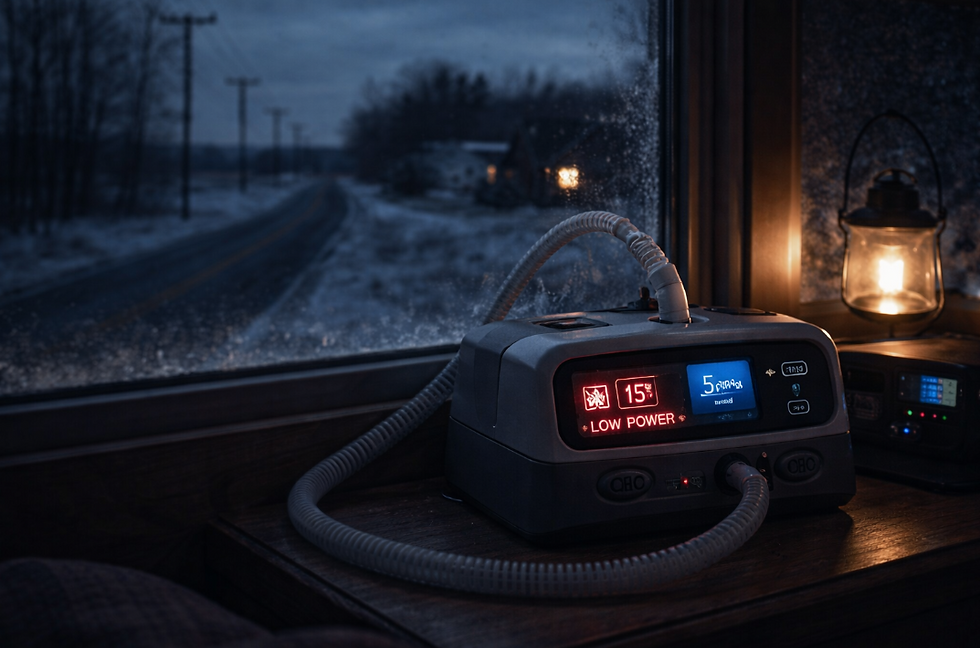
If you or someone in your household depends on electrically powered medical devices, consider contacting your electric provider to ensure your account is properly flagged. While this does not guarantee uninterrupted power, it helps utilities better understand medical dependency during outages and restoration planning.
Clinton County EMA has previously covered available medical power programs offered by major utilities here: https://www.cc-ema.org/post/aes-duke-medical-power-programs
Where to Check Power Outage Status:
No single outage map tells the entire story. Using multiple sources provides better situational awareness:
Statewide outages (Ohio): https://poweroutage.us/area/state/ohio
Clinton County view: https://poweroutage.us/area/county/366
AES Ohio outages: https://myprofile.aes-ohio.com/Outages/Outages.html
Duke Energy outages: https://outagemap.duke-energy.com/#/current-outages/ohky
South Central Power (limited to five county customers in the New Vienna area): https://outage.southcentralpower.com/
Historical outages (last 15 days): https://data.indystar.com/national-power-outage-map-tracker/area/clinton-county-oh/39027/
Remember: outage maps are informational tools — they are not a substitute for reporting your outage.
Power Outage Preparedness: Looking Ahead
Power outages are not rare events. They occur due to weather, equipment failure, accidents, and system maintenance. The goal of preparedness is not perfection — it is reducing disruption and risk when the lights go out.
Clinton County EMA encourages residents to think of preparedness like personal insurance: you decide how much coverage makes sense for your household.
1. Know What You Actually Need to Power

Start simple. Identify:
Critical medical equipment
Refrigerators or freezers
Basic lighting
Phones and communication devices
Not everything needs power — knowing your priorities helps you choose affordable, realistic solutions.
2. Understand Backup Power Options
Preparedness does not require a whole-house generator. Options include:
Portable generators (single-fuel, dual-fuel, or tri-fuel)
Battery power stations / power cells for quiet, indoor-safe use
Solar-assisted systems to extend runtime during longer outages
Many households build capability over time, starting with phone power and refrigeration, then expanding later.
3. Use Power Safely During an Outage
Outages introduce secondary risks. Key safety practices include:
Never operating generators indoors or near windows
Using carbon monoxide detectors
Managing extension cords to reduce trip hazards
Minimizing refrigerator and freezer door openings to preserve food
Keeping critical devices on dedicated power sources
4. Plan for Communications
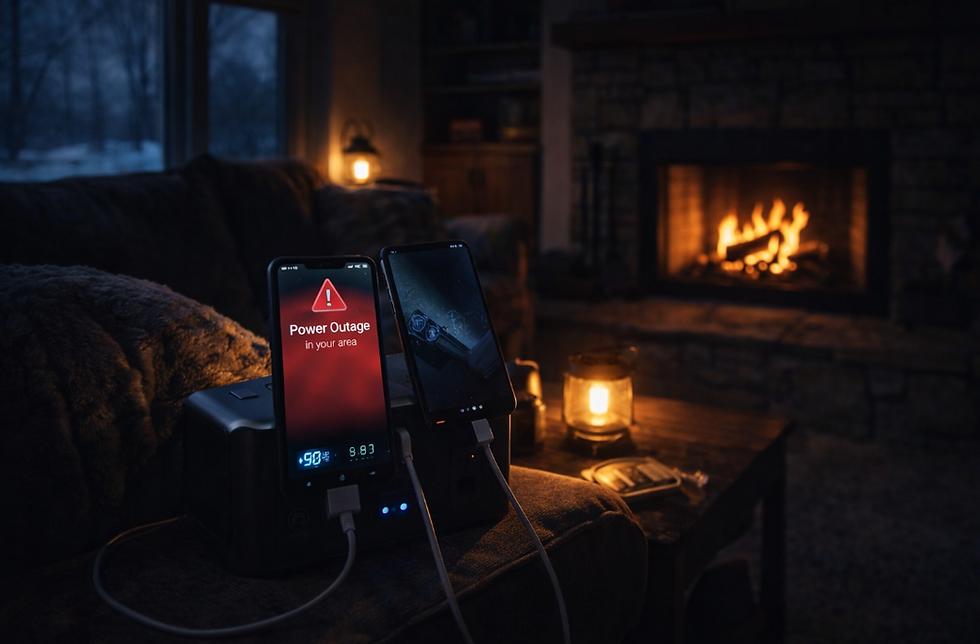
During outages:
Keep phones charged when storms are forecast
Maintain battery banks for personal electronics
Follow trusted local sources for updates
Continue reporting outages directly — even if others already have
Clinton County EMA’s Preparedness University: Power Outage Preparedness course expands on these topics in detail, including energy planning, backup power selection, and safety considerations 2. Power Outage Preparedness.
Additional resources are available at: https://www.cc-ema.org/power
Final Thought
Power outages are not just electrical events — they are information events. Accurate reporting, informed residents, and basic preparedness all work together to shorten outages, improve safety, and reduce stress when the grid goes down.
When in doubt: report the outage, stay informed, and be ready.


Comments