


HIRA 2026
- Thomas Breckel

- Feb 6
- 3 min read

Clinton County Hazard & Risk Assessment (HIRA) Survey: What It Is (and What It Isn’t)
⭐ Special sneek peak for those receiving the Prepare Now Messages with CCEA ⭐
Clinton County EMA is updating the Clinton County Emergency Operations Plan (EOP). As part of that update, we are conducting a Hazard Identification and Risk Assessment, also known as a HIRA [pronounced 📢 Hi-Rah].
We’re asking residents to take a short survey here: https://www.cc-ema.org/publichira
This survey is one of the ways we make sure county planning reflects real community concerns and real-world experiences.
Most emergencies aren’t usually one big thing going wrong. They’re a bunch of smaller things breaking all at once.
What the HIRA Is
A HIRA is a structured way to identify the hazards that are most likely to impact Clinton County and determine which ones could cause the greatest harm.
It helps answer questions like:
What hazards are most likely to happen here?
What hazards would cause the most disruption to daily life?
What hazards could overwhelm local response resources?
What types of emergencies are most likely to cause long-duration problems like power loss, road closures, fuel shortages, or water issues?
This is not a “perfect science.” It’s a planning tool designed to improve decision-making and preparedness.
What the HIRA Is NOT
This is important.
The HIRA is not:
a political survey
a zoning or land use process
a plan to support or oppose any specific development
a way to evaluate individuals
a “vote” on what the county should spend money on
a prediction that something is about to happen
It is simply a way to help the county focus its planning efforts on the hazards that matter most.
How Often is the HIRA Completed?
Clinton County EMA expects to refresh the HIRA regularly as part of ongoing planning.
In most counties, this type of assessment is updated about every 3 to 5 years, or sooner if (a/an):
major incidents occur
hazard trends shift
new vulnerabilities emerge
infrastructure or population changes significantly
This survey supports the 2026 update cycle.
How This Differs From the Hazard Mitigation Plan
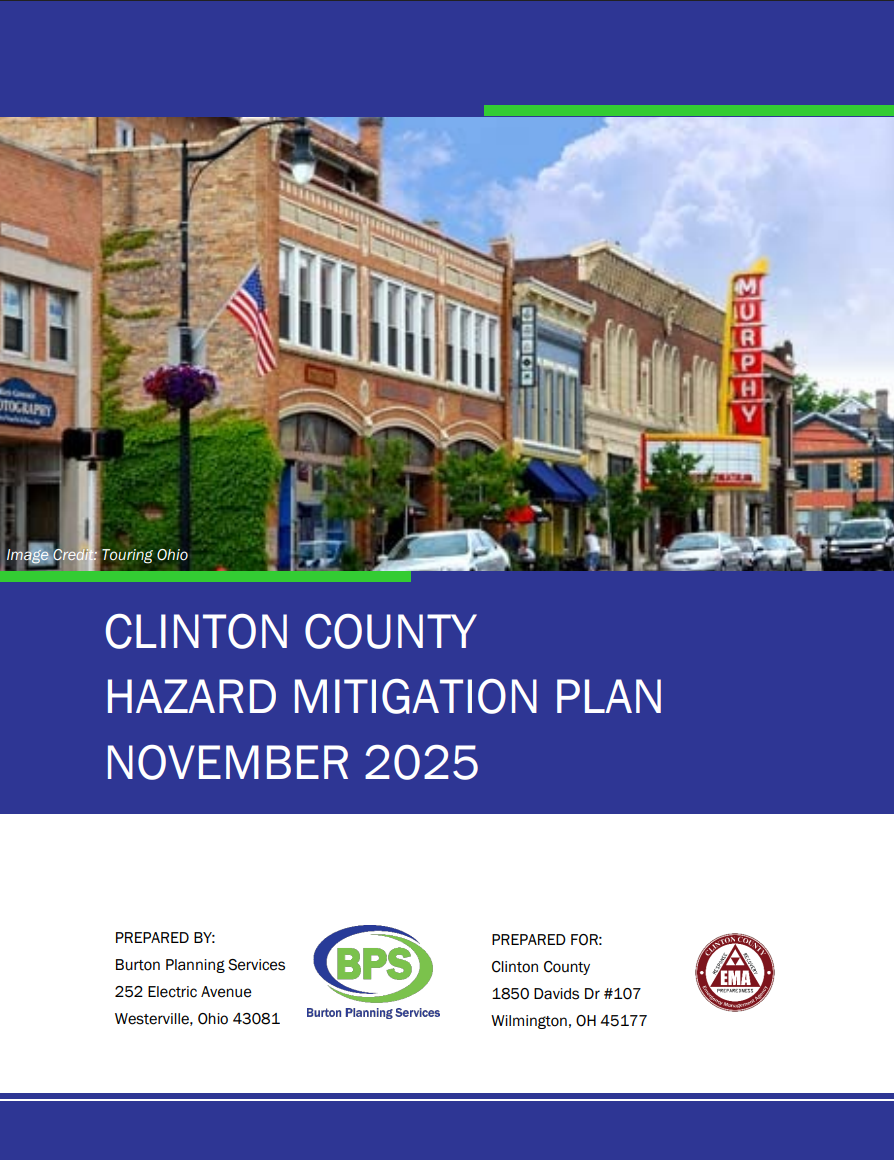
Many people have heard of the Hazard Mitigation Plan, so here’s the short version...
Hazard Mitigation Plan = “How do we reduce damage long-term?”
The Hazard Mitigation Plan focuses on:
reducing risk over time
lowering future disaster damage
identifying mitigation projects
supporting grant eligibility
improving infrastructure resilience
It is heavily focused on long-term actions like:
drainage improvements
safe rooms
stormwater projects
generator projects
warning systems
infrastructure protection
HIRA = “What breaks the county during an emergency?”
The HIRA focuses on:
what hazards are most likely to strain emergency response
what hazards disrupt critical services
what causes cascading failures across power, communications, water, and transportation
what creates life safety risk and operational overload
The HIRA is designed to support:
emergency response planning
EOC activation triggers
resource coordination
public information planning
exercises and training
annex development inside the EOP
In short:
Mitigation Plan = long-term prevention
HIRA = emergency response and operational risk
Why Resident Input Matters

We don’t just plan from behind a desk.
Residents see and experience things differently than government agencies do. Your input helps us better understand:
what hazards feel most realistic to you
what disruptions would hit households hardest
where people feel least prepared
what types of emergencies cause the most stress in real life
Even if you’ve never had a major emergency at your house, your perspective still matters.
Take the Survey
If you live in Clinton County (or just over the county line), we’d appreciate your input.
The survey takes about 5–8 minutes and helps improve county emergency planning.
Survey link: https://www.cc-ema.org/publichira
Thank you for helping us build a stronger, more prepared Clinton County.


Comments